 Image 1 of 1
Junior Biologists Academy (Ages 8–13)
Step into the incredible world of living things through microscopes, DNA experiments, fossil discoveries, ecosystems, and hands-on scientific investigations!
Our 10-week Junior Biologists Academy introduces students to the fascinating science of life through engaging activities, real scientific tools, and exciting take-home projects. Each week focuses on a different area of biology, helping students develop observation skills, scientific reasoning, and a deeper understanding of the natural world.
Throughout the program, students will:
Use microscopes to explore cells and microscopic organisms
Discover how living things are built from cells
Investigate bacteria, protists, and hidden microscopic ecosystems
Grow and care for their own plants while learning how photosynthesis works
Classify animals and explore the diversity of life on Earth
Study the human body through anatomy, physiology, and hands-on experiments
Build working models to learn how bones, muscles, and movement work together
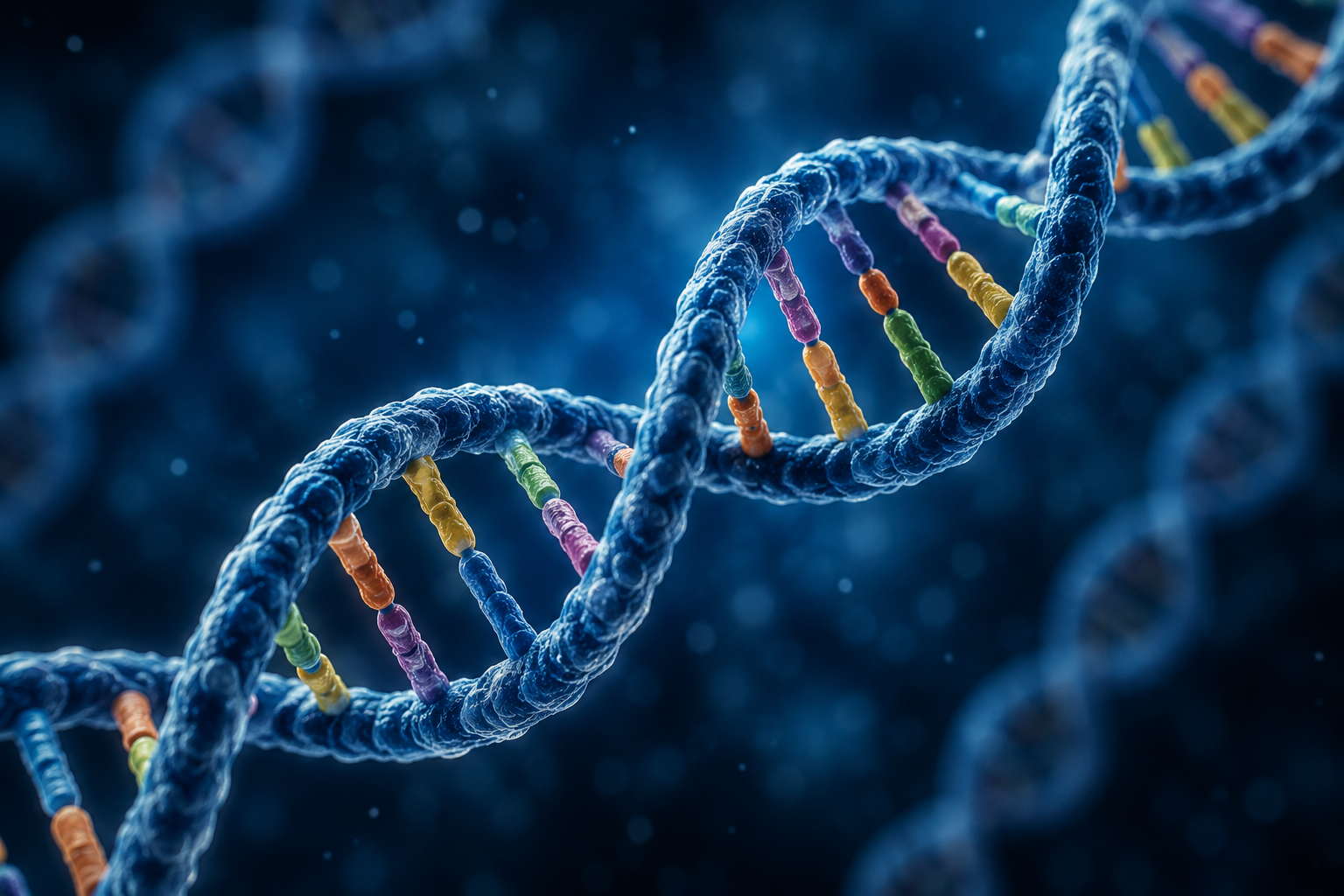
Extract real DNA from strawberries and explore genetics and inheritance
Construct miniature ecosystems and investigate food webs
Excavate fossils, study dinosaurs, and learn how scientists uncover extinct life
Explore ocean habitats and discover the amazing creatures that live beneath the waves
Every session includes hands-on investigations, guided instruction, and a take-home project or activity. Students learn biology through exploration, experimentation, and discovery, making science exciting, memorable, and accessible.
No prior science experience is required. All materials are provided, and activities are designed to be age-appropriate, engaging, and safe under instructor supervision.
By the end of the program, students won’t just learn about life—they’ll think like biologists.
Program Length: 10 Weeks
Session Length: 2 Hours Per Week
Age Group: 8–13 Years Old
Includes: Microscopy activities, DNA experiments, fossil investigations, take-home projects, certificate of completion, and Junior Biologist graduation.
Format: Library • School • Community Program • Summer Program
Junior Biologists Academy (Ages 8–13)
Step into the incredible world of living things through microscopes, DNA experiments, fossil discoveries, ecosystems, and hands-on scientific investigations!
Our 10-week Junior Biologists Academy introduces students to the fascinating science of life through engaging activities, real scientific tools, and exciting take-home projects. Each week focuses on a different area of biology, helping students develop observation skills, scientific reasoning, and a deeper understanding of the natural world.
Throughout the program, students will:
Use microscopes to explore cells and microscopic organisms
Discover how living things are built from cells
Investigate bacteria, protists, and hidden microscopic ecosystems
Grow and care for their own plants while learning how photosynthesis works
Classify animals and explore the diversity of life on Earth
Study the human body through anatomy, physiology, and hands-on experiments
Build working models to learn how bones, muscles, and movement work together
Extract real DNA from strawberries and explore genetics and inheritance
Construct miniature ecosystems and investigate food webs
Excavate fossils, study dinosaurs, and learn how scientists uncover extinct life
Explore ocean habitats and discover the amazing creatures that live beneath the waves
Every session includes hands-on investigations, guided instruction, and a take-home project or activity. Students learn biology through exploration, experimentation, and discovery, making science exciting, memorable, and accessible.
No prior science experience is required. All materials are provided, and activities are designed to be age-appropriate, engaging, and safe under instructor supervision.
By the end of the program, students won’t just learn about life—they’ll think like biologists.
Program Length: 10 Weeks
Session Length: 2 Hours Per Week
Age Group: 8–13 Years Old
Includes: Microscopy activities, DNA experiments, fossil investigations, take-home projects, certificate of completion, and Junior Biologist graduation.
Format: Library • School • Community Program • Summer Program